

-

-

-

-
 The Urban Design Reader $116.08
 -

-

-

-

-

-

-

-

-
-

-

-

-

-

-

-
-
 The Emperor of All Maladies $18.09
-34%
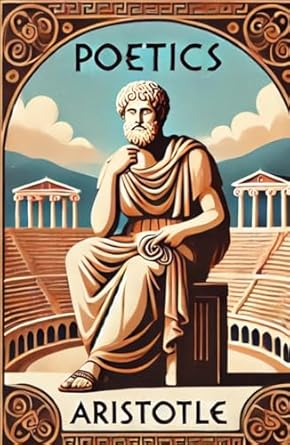
Poetics
$34.86 Save:$18.00(34%)
Available in stock
| Language: | English |
|---|---|
| Publication date: | 30 July 2024 |
| Dimensions: | 13.97 x 0.94 x 21.59 cm |
| ISBN-13: | 979-8334548701 |

Additional information
| Format | Hardcover |
|---|
Description
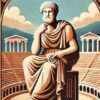
“”Poetics”” by Aristotle, written around 335 BCE, is a seminal work that lays the foundation for much of the modern understanding of literature, especially drama. This treatise is one of the earliest surviving works of dramatic theory and the first classic work of literary criticism. Aristotle composed this text as a response to Plato’s critiques of poetry and drama, aiming to both defend and define the role of art in culture. In “”Poetics,”” Aristotle explores various forms of poetry, theater, and music, focusing particularly on tragedy and epic poetry, which he considers the highest forms of poetic art due to their ability to mimic noble actions and evoke profound emotions. The treatise systematically analyzes the elements that make up these forms and explains how they should be composed to achieve their greatest effect. Aristotle introduces the concept of mimesis (imitation), which is central to his theory of poetry. He argues that art is a form of imitation, and that it is natural for humans to engage in mimesis from childhood. According to him, the pleasure derived from poetry is from the recognition and interpretation of the mimesis. For tragedy, Aristotle delineates its six component parts: plot, character, diction, thought, spectacle, and song. Of these, he places the greatest importance on the arrangement of the plot. A well-constructed plot must have a beginning, middle, and end; it must be coherent and sufficiently complex, incorporating elements such as reversal and recognition to engage the audience deeply. Aristotle famously defines tragedy as an imitation of an action that is serious, complete, and of a certain magnitude, through pity and fear effecting the proper purgation of these emotions, a process he calls catharsis. This emotional cleansing is what gives tragedy its profound impact on the audience. “”Poetics”” also discusses the qualities of a tragic hero, who should ideally be virtuous but flawed by a mistake or ignorance, leading to his downfall. This makes the hero relatable to the audience, evoking fear and pity. Although only parts of “”Poetics”” have survived—specifically, those dealing with tragedy and epic poetry—the work profoundly influenced the development of Western literary theory and criticism. Aristotle’s ideas have been foundational in the analysis of classical and Renaissance literature and continue to influence the study and creation of drama and narrative today. —- ISBN: 9798334548701
Reviews (0)
Only logged in customers who have purchased this product may leave a review.




Reviews
There are no reviews yet.